EU building rules accelerate rollout of EV charging infrastructure across Europe
The revised Energy Performance of Buildings Directive (EPBD IV) is set to significantly accelerate the deployment of EV charging infrastructure across commercial real estate in the European Union. As an EU directive, EPBD IV establishes a common regulatory framework that all Member States must transpose into national legislation, with implementation required by 29 May 2026.
From 2026 onwards, EV charging infrastructure will become a standard requirement in many non-residential buildings, marking a structural shift from voluntary installation to regulated deployment across the EU.
For property owners, developers and facility managers, this represents an important change in building planning and asset strategy. In practice, early integration of charging infrastructure—particularly during construction or renovation—remains the most cost-efficient and scalable approach.
From voluntary adoption to a regulated EU framework
EPBD IV introduces a phased framework for EV charging infrastructure in non-residential buildings across the European Union. While Member States are responsible for national transposition and may define specific implementation details, the directive establishes a common baseline of requirements and timelines.
For existing non-residential buildings with more than 20 parking spaces, EPBD IV requires:
- At least one charging point, and
- Pre-installation or conduit infrastructure to enable future expansion
These provisions must be transposed into national law by 29 May 2026. From 1 January 2027, additional requirements apply under the directive, including:
- At least one charging point per ten parking spaces, or
- Pre-cabling or conduit infrastructure for at least 50% of parking spaces
For new buildings and major renovations, stricter requirements apply:
- At least one charging point per five parking spaces for non-residential buildings
- At least one charging point per two parking spaces for office buildings
- Pre-cabling for at least 50% of parking spaces
These requirements are designed to ensure that EV charging readiness becomes an integral part of building design across the EU, while allowing Member States to define how these obligations are implemented in national building and energy codes.
Smart charging as a core technical requirement
In addition to physical infrastructure requirements, EPBD IV also requires that charging points support smart charging functionalities in accordance with EU technical standards.
Smart charging plays a key role in enabling efficient use of available grid capacity. It allows:
- Dynamic load balancing across multiple charging points
- Reduced need for grid reinforcement in many installations
- Optimised energy consumption at building level
- Stable operation in locations with constrained grid capacity
This ensures that EV charging infrastructure can be deployed at scale while remaining compatible with existing energy systems across Europe.
Scalable infrastructure designed for evolving requirements
To support compliance with EPBD IV and future growth in EV adoption, charging infrastructure must be both robust and adaptable.
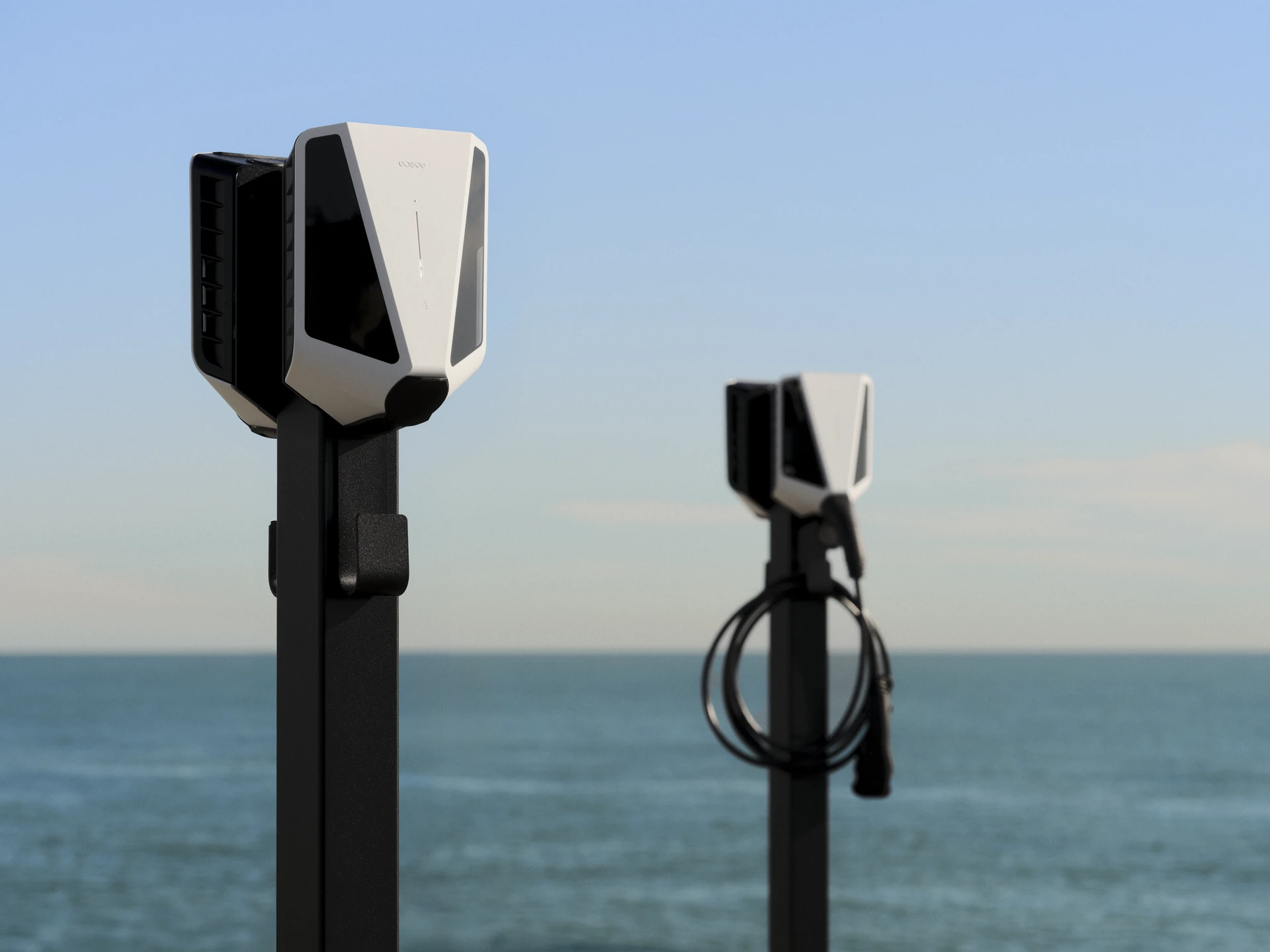
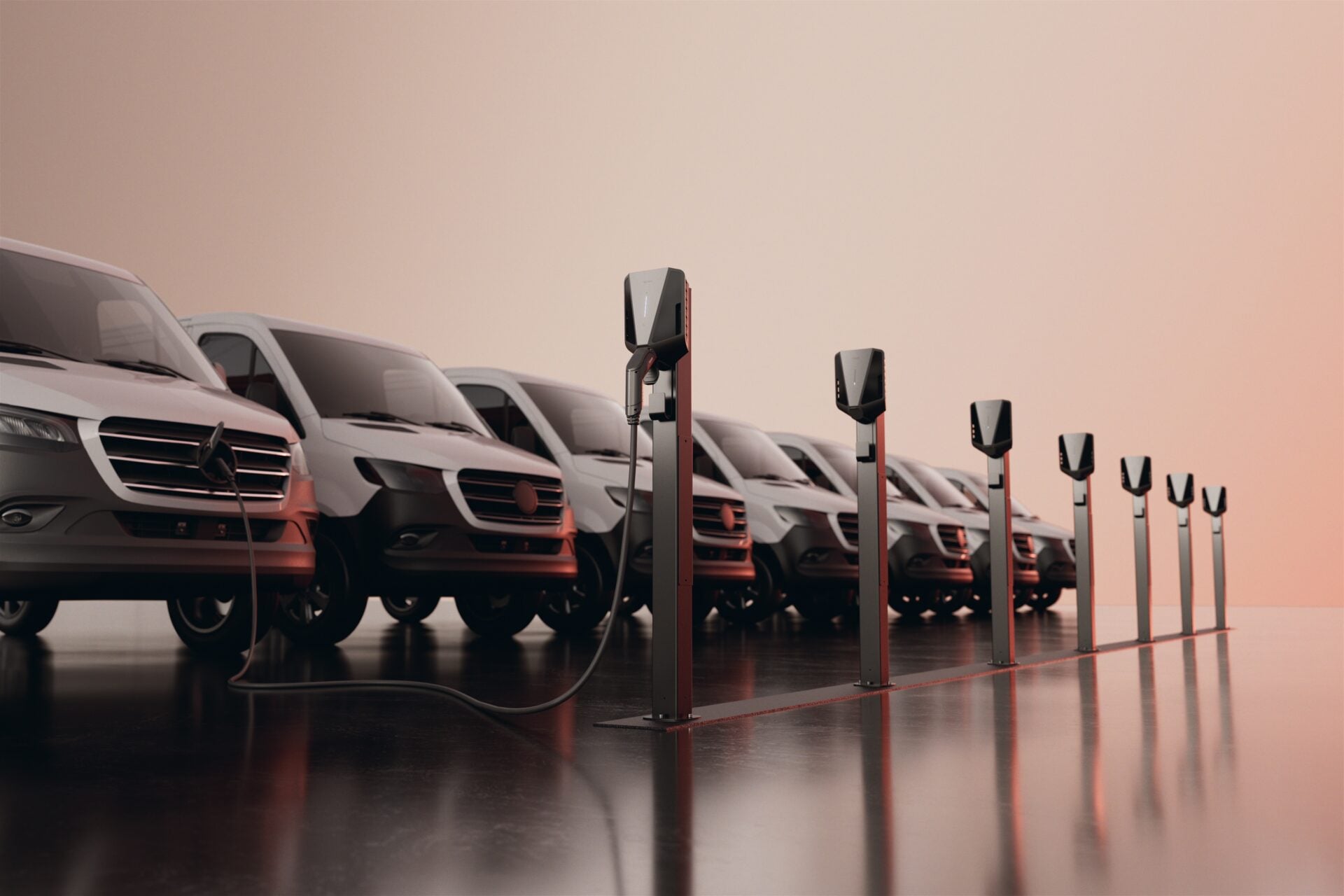
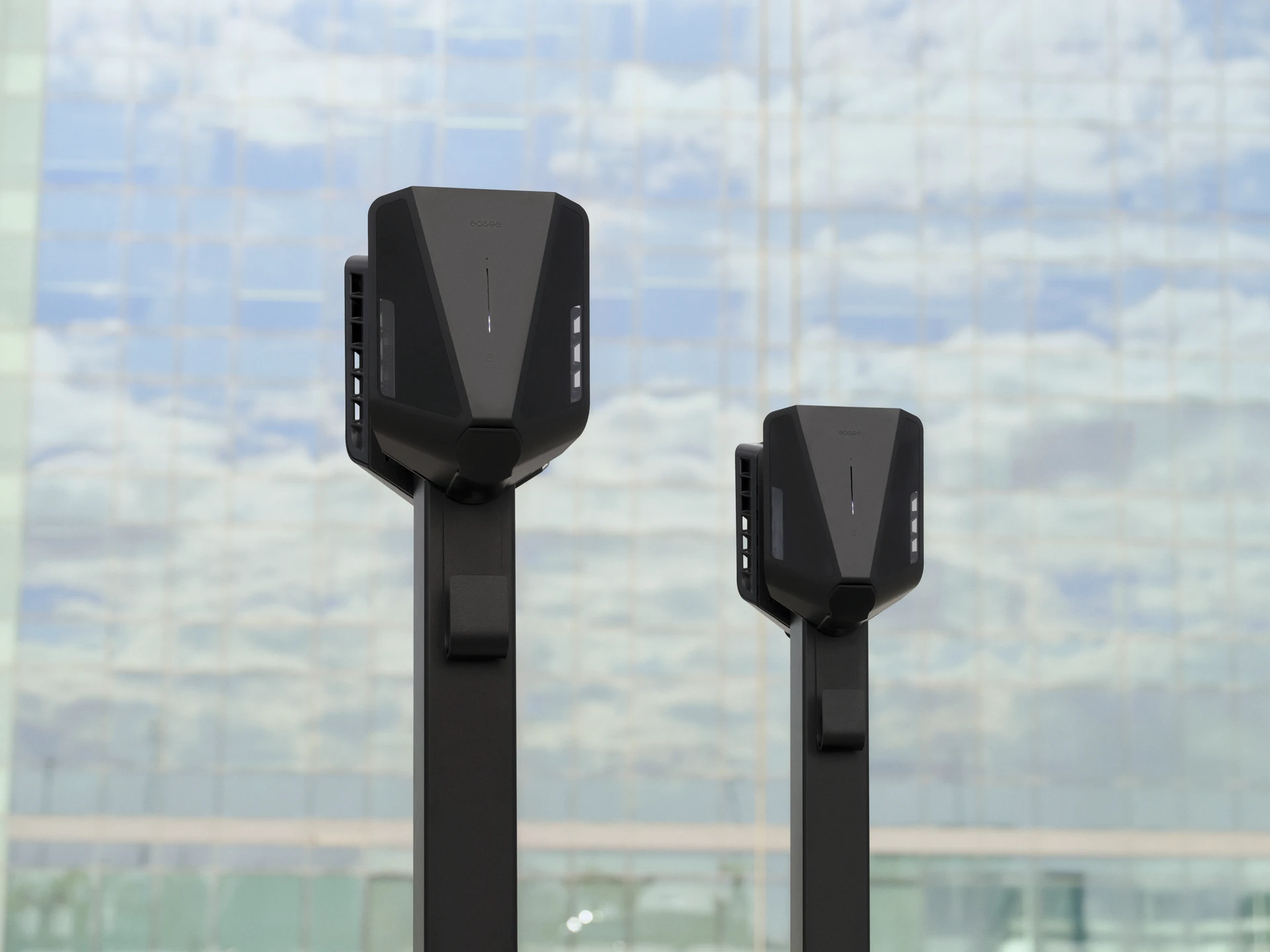
Easee Charge Core and Charge Pro are designed for large-scale commercial installations, including workplaces, apartment buildings, parking facilities and fleet environments.
The system uses intelligent power management to dynamically distribute available capacity across all connected chargers. This reduces the need for extensive electrical upgrades in many installations while maintaining reliable performance.
Its modular architecture enables property owners to start with a minimum compliant installation and expand capacity over time as demand increases. This aligns with the phased nature of EPBD IV, where initial compliance forms the foundation for future scaling.
Cost considerations and implementation flexibility
EPBD IV includes provisions intended to prevent disproportionate financial burden. Depending on national implementation, exemptions may apply where installation costs exceed a defined proportion of total renovation costs.
However, these exemptions typically do not apply to new construction, where EV charging infrastructure is expected to be integrated from the outset.
In most cases, early planning remains the most cost-effective approach. Installing cabling and conduit infrastructure during construction or renovation significantly reduces complexity and cost compared to retrofitting at a later stage.
Solutions such as Charge Pro further support efficient deployment by reducing installation complexity while maintaining flexibility for future expansion.
Preparing for 2027
With the 1 January 2027 deadline for expanded charging requirements approaching, owners of existing non-residential buildings across the EU are entering a critical planning phase. Projects of this scale typically involve several months of electrical assessment, permitting, installation and commissioning, which makes early preparation essential.
Property owners and facility managers should therefore already be conducting charging infrastructure assessments rather than waiting until 2027. Beyond regulatory compliance, installing quality charging infrastructure like Easee enhances building value, improves tenant satisfaction and helps future-proof properties against evolving sustainability requirements.
As requirements evolve, the ability to manage and scale charging infrastructure efficiently becomes increasingly important. Easee chargers include remote management capabilities that allow property managers to monitor usage, manage access and optimise performance across entire charging networks from a single platform.
This centralised control is particularly relevant for commercial real estate portfolios, where installations are often distributed across multiple sites. At the same time, Easee’s modular architecture ensures that installations can be expanded over time, keeping investments aligned with increasing EV adoption and future regulatory developments beyond the minimum requirements set by EPBD IV.