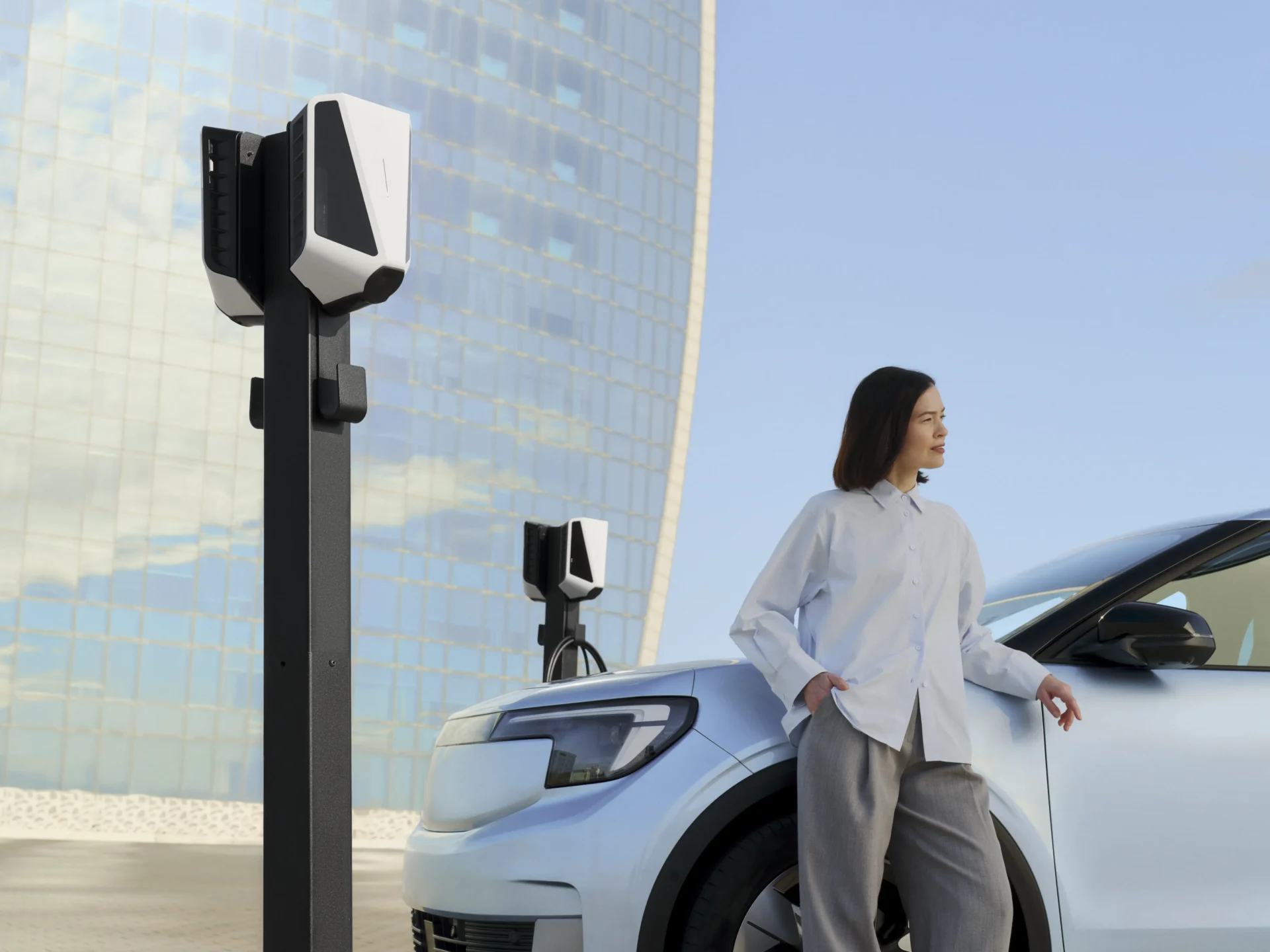
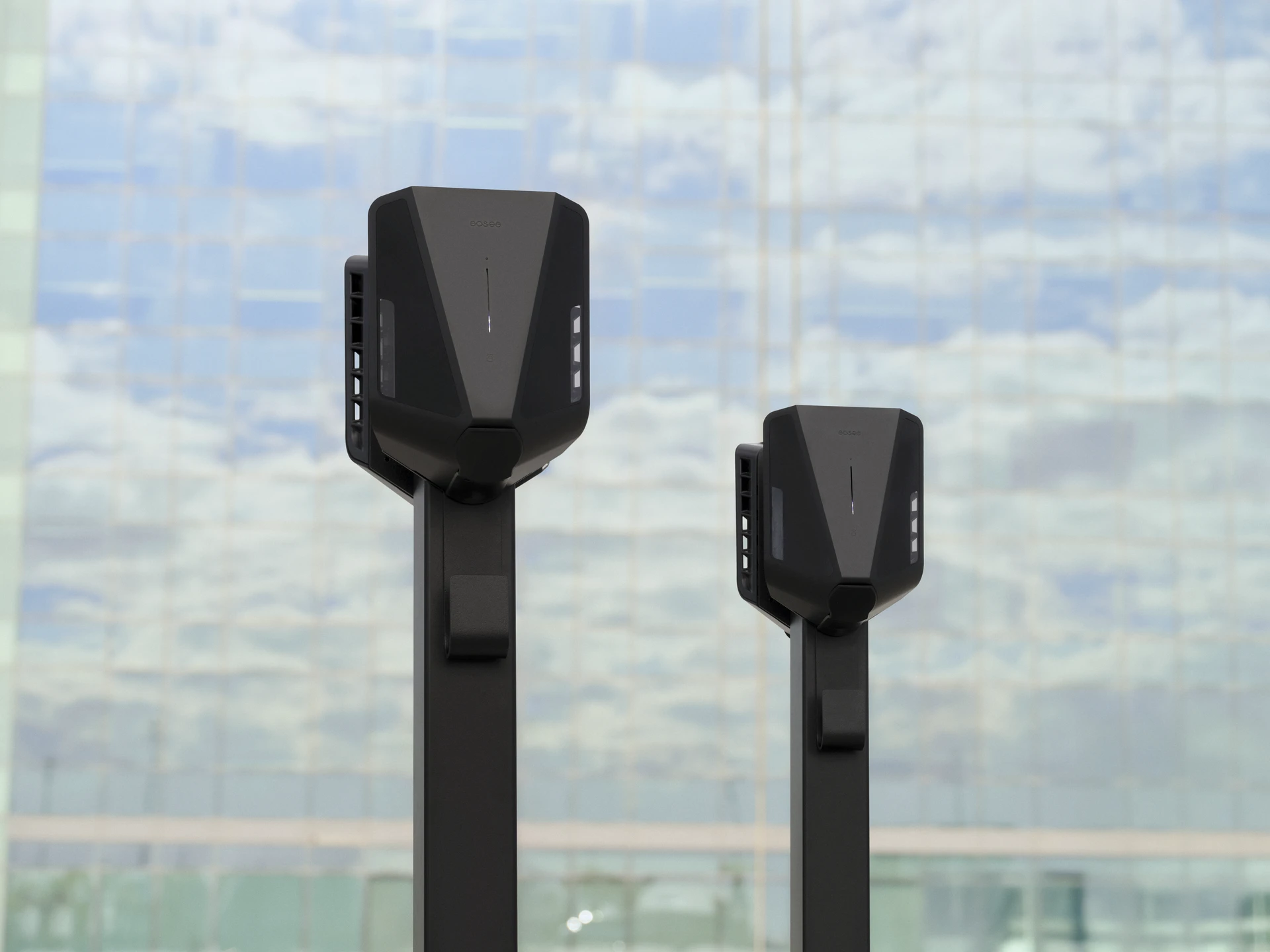
For two years, installers and fleet operators have had to guess which certification tier to back and when AFIR and ISO 15118 requirements would actually bite. From 1 January 2027, Easee removes that speculation: Charge Max and Charge Pro become the company’s only chargers sold into EU markets, both built to MID, AFIR and V2X standards as they leave the factory.
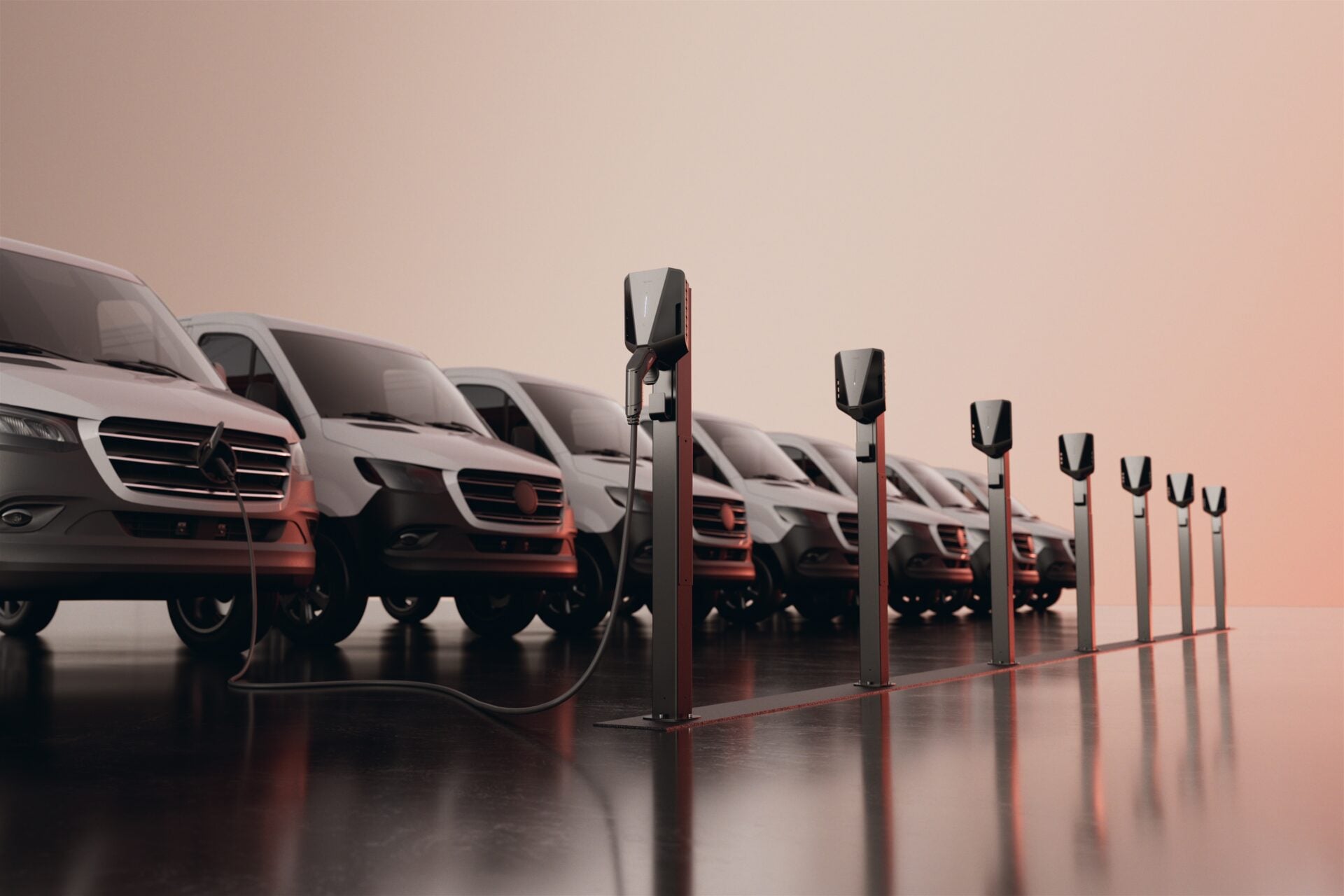
German commercial fleets are under pressure to decarbonise faster than ever, as corporate net-zero commitments and rising fuel costs push companies towards electrification. Buying electric vehicles is the easy part. Easee focuses on the harder problem: building accessible charging infrastructure that supports fleets at scale, without the cost, disruption, or delay that so often stalls sustainable initiatives in Germany.
Easee has become the first Electric Vehicle Supply Equipment (EVSE) manufacturer to receive Mercury certification for grid flexibility services, marking a significant milestone for the company and for the wider effort to standardise how clean energy devices communicate with the grid.
Electrification cannot be limited to places where infrastructure is already strong. If electric mobility is to scale globally, it must work in very different realities — including regions where the grid is limited and winter temperatures fall well below freezing. That is why Easee travelled to Canada’s Northwest Territories. Together with Subaru, we charged an electric vehicle using power generated solely from portable solar panels and battery storage — in sub-Arctic winter conditions.
New findings from Europe’s largest Vehicle-to-Grid project show the untapped potential of bidirectional charging. Most electric cars stand still around 90% of the time. What if that time could be used to support your home, or even the grid?
We’ve spent more than a hundred years seeing cars as something that consume energy. But what if they could give it back?